Source V Type Twin Cylinder Motorcycle for Racing, Delivery, and Touring
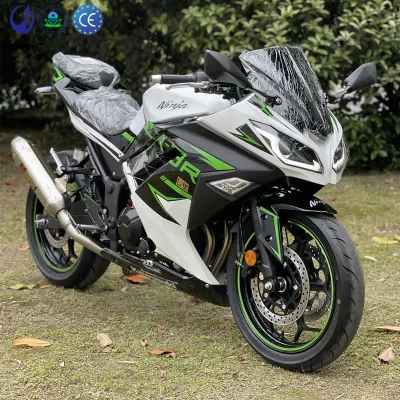
Find 30 v type twin cylinder motorcycle listings with varying engine sizes, cooling methods, and transmission types. Buyers can compare specifications from Chinese manufacturers to identify suitable options for racing, delivery, or touring applications.
Key considerations
Products List




Comprehensive Sourcing Guide
Strategic Sourcing Guide for V-Type Twin Cylinder Motorcycles
The global market for V-type twin cylinder motorcycles presents a distinct opportunity for B2B buyers seeking a balance between performance characteristics and manufacturing versatility. This configuration, characterized by two cylinders arranged in a V-shape, offers specific advantages in torque delivery and engine smoothness that differentiate it from inline or single-cylinder alternatives. For procurement professionals, navigating this segment requires a rigorous approach to verifying technical specifications, ensuring regulatory compliance, and understanding the diverse manufacturing capabilities available in the primary sourcing regions. The following guide outlines the critical factors for sourcing these vehicles, grounded in observed market data and standard industry practices.
Technical Architecture and Engine Specifications
The core differentiator for this vehicle class is the engine architecture. In the current market, V-type twin cylinder engines are frequently paired with displacement ranges that cater to both high-performance racing applications and robust utility use. Data indicates that available models span a broad spectrum, with specific configurations observed in the 200-400cc range, while other segments target the 751 to 1000cc bracket. This variation suggests that buyers must clearly define their intended application before engaging suppliers, as the engineering requirements for a 250cc racing bike differ significantly from those of a 1000cc touring or utility machine.
Cooling systems are another critical technical variable. While some high-performance units utilize water cooling to manage thermal loads during sustained high-speed operation, others in the market are designed with air cooling systems, which offer mechanical simplicity and reduced weight. The ignition system also varies, with Electronic Fuel Injection (EFI) being a standard feature in modern units to ensure efficient combustion and emissions compliance. Furthermore, transmission configurations are not uniform; buyers may encounter 6-speed international gearboxes designed for racing dynamics or other transmission types suited for specific torque curves.
The physical dimensions of the motorcycle are equally important for logistics and assembly planning. Observed standard dimensions for these vehicles range from approximately 1980mm in length to over 2400mm, with widths typically between 570mm and 1130mm. These variations directly impact packaging requirements and shipping costs. Additionally, the structural integrity of the engine, often described as a V-Type Twin Cylinder configuration, must be verified against the specific model number provided by the supplier. For instance, specific engine models like the Vsk264MP-C have been identified in the market, indicating that buyers should request detailed engine datasheets to confirm the exact architecture and compatibility with their distribution channels.
Regulatory Compliance and Certification Verification
Navigating the regulatory landscape is paramount when importing motorcycles, particularly those with varying engine sizes and intended uses. The market data highlights a concentration of certifications such as CCC (China Compulsory Certification) and CQC (China Quality Certification). These are essential for domestic sales in China and often serve as a baseline for international quality assurance. However, for export markets, buyers must verify if the supplier also provides a Certificate of Conformity (COC), which is frequently listed alongside CCC in product attributes.
The distinction between "New" condition and used or refurbished units is a critical compliance factor. All observed listings in this category specify a "New" condition, which simplifies the initial verification process but requires strict quality control to ensure the vehicles have not been previously registered or modified. Buyers must also consider the "Year Range" of the vehicles; most available units are produced after 2010, ensuring they meet modern emissions and safety standards. However, specific market entry requirements for the destination country may demand additional testing or certification beyond the standard CCC or COC.
Fuel type is another compliance variable. While the primary focus is often on gasoline engines, the market data notes "Gas / Diesel" as a fuel attribute. This indicates that buyers must explicitly confirm the fuel type for each unit, as diesel motorcycles require different regulatory approvals and infrastructure considerations compared to gasoline counterparts. The presence of advanced features like Remote Control or Bluetooth MP3 systems may also trigger additional safety or electromagnetic compatibility (EMC) certifications depending on the destination jurisdiction.
Cost Drivers and Pricing Dynamics
The pricing structure for V-type twin cylinder motorcycles is influenced by a complex interplay of factors, including engine displacement, brand reputation, and the level of customization offered. The observed price range in the market is substantial, spanning from $475 to $9,250 USD. This wide variance reflects the difference between entry-level models, potentially smaller displacement or simpler configurations, and high-performance racing motorcycles with advanced engineering and premium components.
The Minimum Order Quantity (MOQ) is a significant cost driver. Data shows an MOQ range from 1 piece to 126 pieces. Buyers with smaller volume requirements may face higher per-unit costs due to the lack of economies of scale, while larger orders can leverage bulk pricing. The "Selling Units" attribute often indicates that transactions can be structured as single items, which is beneficial for market testing but less cost-effective for large-scale distribution.
Packaging and logistics costs also play a crucial role in the total landed cost. Some suppliers offer CKD (Completely Knocked Down) or SKD (Semi-Knocked Down) packing options, which allow for local assembly and can reduce shipping volume and duties. Conversely, fully assembled units packed in "Iron + Carton" configurations may incur higher freight costs but reduce the buyer's assembly overhead. The weight of the vehicles, ranging from 150kg for certain models to potentially higher figures for larger engines, further influences shipping expenses. Buyers should calculate the total cost of ownership, including freight, insurance, and potential assembly labor, rather than focusing solely on the ex-works price.
Typical Applications and Market Segmentation
V-type twin cylinder motorcycles serve diverse market segments, driven by their specific performance characteristics. One prominent application is in the racing sector, where the "Racing Motorcycle" and "Motorcycle racing" vehicle types are explicitly identified. These units are designed for high-speed performance, with observed maximum speeds exceeding 80km/h and reaching up to 135km/h in specific configurations. The "Racing Motorcycles" category often features high-revving engines, advanced suspension systems, and lightweight frames to maximize agility and speed on the track.
Beyond racing, these motorcycles are utilized in utility and commercial applications. The "Max load" capacity of up to 300KG suggests that certain models are suitable for heavy-duty transport or delivery services. The "Electrical" starter system and "Water-Cooled" or "Air-Cooled" options provide reliability for daily operational use. The "Options" available, such as Bluetooth MP3 integration, indicate that some models are also targeted at recreational riders or urban commuters who value connectivity and convenience.
The "Structure of Engine" being a V-Type Twin Cylinder is particularly advantageous for applications requiring high torque at lower RPMs, making these vehicles suitable for touring or off-road scenarios where power delivery is critical. Buyers should align their procurement strategy with the specific application, ensuring that the selected model's specifications, such as displacement and cooling method, match the operational demands of the intended market.
Supplier Evaluation and Quality Assurance
Evaluating suppliers for V-type twin cylinder motorcycles requires a multi-faceted approach. The "Place of Origin" is predominantly China, with specific regions like Shandong identified as manufacturing hubs. While this provides access to a robust supply chain, buyers must conduct thorough due diligence to ensure the supplier's capabilities match their quality expectations. The "Customization: Available" attribute indicates that many suppliers are willing to tailor products, but this flexibility must be managed through clear specifications and quality control protocols.
Quality control should begin with the verification of the "Condition" and "Year Range." Buyers must ensure that the "New" condition is genuine and that the vehicles are not outdated models repackaged as new. The "Single package size" and "Single gross weight" data provided by suppliers should be cross-referenced with physical inspections to ensure consistency and accuracy. Discrepancies in these figures can indicate poor quality control or misrepresentation.
Furthermore, the "Brand Name" and "Model Number" should be verified against the supplier's documentation. For example, the presence of brands like "DEGRES" and models like "DE-M1" or "SK250-V" suggests a level of standardization, but buyers must confirm that these are not generic labels applied to non-compliant products. The "Motor" type, listed as "Other" in some contexts, requires clarification to ensure it meets the specific performance and reliability standards required by the buyer.
Long-Term Procurement and Operational Considerations
Sourcing V-type twin cylinder motorcycles is not a one-time transaction but a long-term strategic relationship. Buyers must consider the availability of spare parts, after-sales support, and the potential for product evolution. The "Options" such as remote control and Bluetooth capabilities suggest that these vehicles may require software updates or specialized tools for maintenance, which should be factored into the procurement plan.
The "Transmission Type" and "Braking Mode" are critical for long-term reliability. Front and rear disc brakes are standard, but the quality of the braking system components can vary significantly between suppliers. Buyers should request test results or third-party certifications for braking performance to ensure safety standards are met. Similarly, the "6 Speed International Gear" transmission requires regular maintenance, and the availability of replacement gears and related components should be confirmed before finalizing the order.
Finally, the "Standard" dimensions and "Product Origin" data should be used to plan for warehousing and distribution. The varying dimensions, from 1980mm to 2420mm in length, necessitate flexible storage solutions. Buyers should also consider the "Lead Time" and "MOQ" flexibility when planning their inventory levels. A supplier that offers a low MOQ of 1 piece may be ideal for initial market testing, but a supplier capable of handling larger orders with consistent quality will be essential for scaling operations. By carefully balancing these factors, buyers can build a resilient supply chain for V-type twin cylinder motorcycles that meets both immediate and long-term business goals.
FAQs
What certifications are available for these motorcycles?
Products typically hold CCC and CQC certifications, with some listings also including COC. Buyers must verify the specific certificate required for their destination country, as domestic standards like CCC may not suffice for international export without additional documentation.
Can I customize the engine specifications for this motorcycle?
Customization is available for many models in this category. Buyers should confirm specific requirements regarding engine size, cooling method, or transmission type with the supplier before placing an order to ensure the modified unit meets their operational needs.
What is the minimum order quantity for these vehicles?
The minimum order quantity ranges from 1 piece to 126 pieces depending on the supplier. Smaller orders allow for market testing, while larger volumes may leverage better pricing, though specific MOQs vary by manufacturer and product configuration.
Which cooling methods are used in these engines?
Available models utilize either water cooling or air cooling systems. Water-cooled engines are common for high-performance racing applications, while air-cooled options offer mechanical simplicity. Buyers must select the method that aligns with their intended usage environment.
How are these motorcycles packaged for shipping?
Packaging options include CKD, SKD, or Iron plus Carton configurations. CKD and SKD allow for local assembly to reduce shipping volume, whereas fully assembled units in Iron and Carton require more freight space but minimize on-site labor for the buyer.
What is the typical price range for these motorcycles?
Prices observed in the market range from 475 to 9250 USD per unit. This variance reflects differences in engine displacement, brand reputation, and customization levels, requiring buyers to define their budget and performance requirements before engaging with suppliers.
Where are these motorcycles manufactured?
The primary place of origin is China, with specific manufacturing hubs identified in Shandong. Buyers should verify the exact location with the supplier to assess logistics costs and ensure the product meets any regional compliance standards required for import.